How to Find the Best Dog Trainer in Orange County
- | Blog
Finding the best dog trainer in Orange County, California is crucial for ensuring your pet receives the right guidance and care. When selecting a professional dog trainer, it’s important to consider factors such as trainer credentials, experience, training methods, and communication skills, which are essential for effective training.
A qualified dog trainer should possess relevant certifications from reputable organizations, use positive reinforcement techniques as part of their training philosophy, and create personalized training plans that address specific dog training needs. Effective trainers also maintain clear communication with dog owners and are readily available for follow-up support, ensuring successful dog training outcomes.
To identify the best dog trainer for your needs, consider the following steps:
- Ask for dog training recommendations from other dog owners and professionals.
- Research dog trainers and training programs online.
- Attend dog training classes and puppy classes.
- Schedule consultations.
These steps will help you choose a trainer whose methods align with your training goals and who has a proven track record of success in obedience training and addressing behavioral issues.
Key Takeaways:
- Look for a dog trainer with experience and trainer credentials, such as Certified Dog Behavior Consultant (CDBC) certification from IAABC, to ensure quality training for your dog.
- Choose a trainer who uses positive reinforcement training methods and offers personalized training plans to cater to your dog’s specific needs and personality, enhancing the dog-owner bond.
- Utilize resources like recommendations, online research, attending classes and events, and scheduling consultations to find the best dog trainer in Orange County for you and your furry companion.
What to Look for in a Dog Trainer
When selecting a dog trainer, look for trainer credentials, experience with positive reinforcement, and effective communication skills as part of the training philosophy.
A qualified dog trainer should use positive reinforcement techniques as part of their training methods and possess relevant certifications to provide behavioral support.
Effective dog communication with dogs and owners is crucial for successful training and enhancing the dog-owner bond.
Experience and Credentials
When selecting a dog trainer, consider their dog training experience and trainer credentials. Professional certifications, like those from the International Association of Animal Behavior Consultants (IAABC), reflect expertise and commitment to best practices in canine behavior and dog education.
Extensive dog training experience equips trainers to handle a range of behavioral issues, from basic obedience to complex problems like dog aggression. Credentials and experience are critical for effective dog training and handling training challenges.
Positive Reinforcement Training Methods
Positive reinforcement training methods use rewards to encourage desired dog behaviors instead of punishment.
These dog training methods include:
- Clicker training, which marks desirable actions with a sound
- Target training, guiding dogs to touch specific objects
- Integrating learned behaviors into daily routines to improve dog behavior and socializing your dog.
This approach builds trust and promotes obedience, fostering canine confidence and enhancing the dog-owner bond.
Personalized Training Plans
Personalized training plans for dogs address specific dog training needs by tailoring methods to a dog’s unique personality, supporting effective training and behavior modification.
Such plans use group classes for socialization, private training for individual attention, and online coaching for convenience and accessibility.
Personalized plans adapt to behavioral challenges like dog aggression or anxiety, ensuring each session aligns with the dog’s temperament and supports resource-oriented training.
Personalized training strengthens the bond between pet and owner while promoting positive behaviors and enhancing obedience training.
Good Communication and Availability
Effective communication and availability between a dog trainer and owner ensure clarity in training techniques and expectations.
Communication works by fostering trust and encouraging owner participation in the dog’s development.
Trainer availability allows for questions and personalized advice, enhancing training effectiveness and supporting training environment adjustments.
Consistent communication strengthens the bond between trainer, owner, and dog.
How to Find the Best Dog Trainer in Orange County
To find the best dog trainer in Orange County, California, start by researching local trainers with positive online reviews and testimonials from dog owners.
Evaluate trainers based on certifications, dog training experience, and training methods, ensuring they align with your dog’s behavioral support needs.
Schedule consultations to discuss your dog’s specific needs and observe a training session if possible, evaluating their training techniques and environment.
Choose a trainer whose methods align with your training goals and who has a proven track record of success in addressing dog problems and enhancing canine confidence.
Ask for Recommendations
One effective way to find a reputable dog trainer is by asking for dog training recommendations from fellow dog owners and local community members.
Engaging with your community and visiting local dog parks can lead to discovering trainers whose methods have been tried and tested in real training environments.
- Personal testimonials provide valuable context.
- Word-of-mouth referrals are more trustworthy than generic online ads.
Discuss the success, style, and approach of training programs, including dog sports, to ensure they align with your dog’s personality and needs.
Research Online
Researching dog trainers online involves comparing trainer qualifications, training programs, and customer reviews to identify the best dog training options.
Use online platforms to read reviews, check trainer credentials, and explore available training services.
This research helps find a dog trainer suited to your dog’s dog training needs, ensuring effective training outcomes.
Attend Training Classes and Events
Attending dog training classes and events helps individuals assess trainers’ styles and effectiveness by observing interactions with dogs and owners, including puppy socialization and basic obedience training.
First-hand observation provides insights into training techniques, training atmosphere, and handling of challenging dog behaviors, aiding in trainer evaluation.
Schedule Consultations
Scheduling consultations with dog trainers helps assess their suitability for your dog’s training needs, including addressing behavioral issues and enhancing dog education.
During consultations, ask questions about communication style, training techniques, and success measurement to ensure a good fit with your dog’s personality and training challenges.
Questions to Ask During a Consultation
During a consultation with a dog trainer, ask these questions to evaluate their training experience and philosophy:
- What training methods and techniques do you use?
- Can you provide references or testimonial reviews?
- What is your experience with my dog’s breed and handling behavioral issues?
- How do you handle behavioral issues like dog aggression and anxiety?
- What are your qualifications, certifications, and trainer credentials?
- What is the expected duration of training sessions?
- Do you offer follow-up support after training?
These questions help determine if the trainer’s methods align with your training goals and dog training recommendations.
What is Your Training Philosophy?
A training philosophy defines a dog trainer’s approach to dog behavior and dog learning techniques.
Positive reinforcement is a common philosophy where trainers encourage good behavior through rewards instead of punishment.
A training philosophy guides a trainer’s methods and aligns with the owner’s values in dog care and training challenges.
How Do You Handle Behavioral Issues?
To handle behavioral issues, trainers use methods that focus on positive reinforcement, addressing dog problems like aggression or anxiety.
Trainers evaluate specific behavioral challenges and apply techniques like anxiety relief and socialization to promote good behavior, supporting effective training and dog-owner bond enhancement.
Training sessions aim to build trust and encourage respectful interaction between the dog and trainer, fostering canine confidence and addressing dog aggression.
Understanding a trainer’s approach helps owners determine their capability to guide dogs towards balanced behavior and strengthen the dog-owner bond.
Can You Provide References?
Requesting references from past clients offers insights into a dog trainer’s effectiveness and ability to meet dog owners’ needs in addressing behavioral issues and providing dog training services.
References provide real-life experiences and testimonial reviews, helping potential clients assess whether a trainer’s methods match their dog training needs and goals.
Reading success stories builds confidence in the trainer’s capabilities, influencing decisions regarding advanced training and dog training options.
How Do You Measure Success?
Success in dog training is measured by metrics such as behavior modification, command consistency, and socialization with other dogs and people.
Trainers evaluate progress through reductions in undesirable behaviors and improved responsiveness in various training environments, ensuring effective training outcomes.
These measures indicate the effectiveness of the training program and support successful dog behavior modification.
Conclusion: Choosing the Best Dog Trainer for You and Your Dog
Choosing the best dog trainer involves evaluating their experience, training philosophy, and methods for addressing behavioral issues. Make sure they align with your dog’s training challenges and needs.
Look for trainers who use positive reinforcement, tailor their approach to your dog’s needs, and involve owners in the training process. This enhances the effectiveness of the training and strengthens the owner-pet bond.
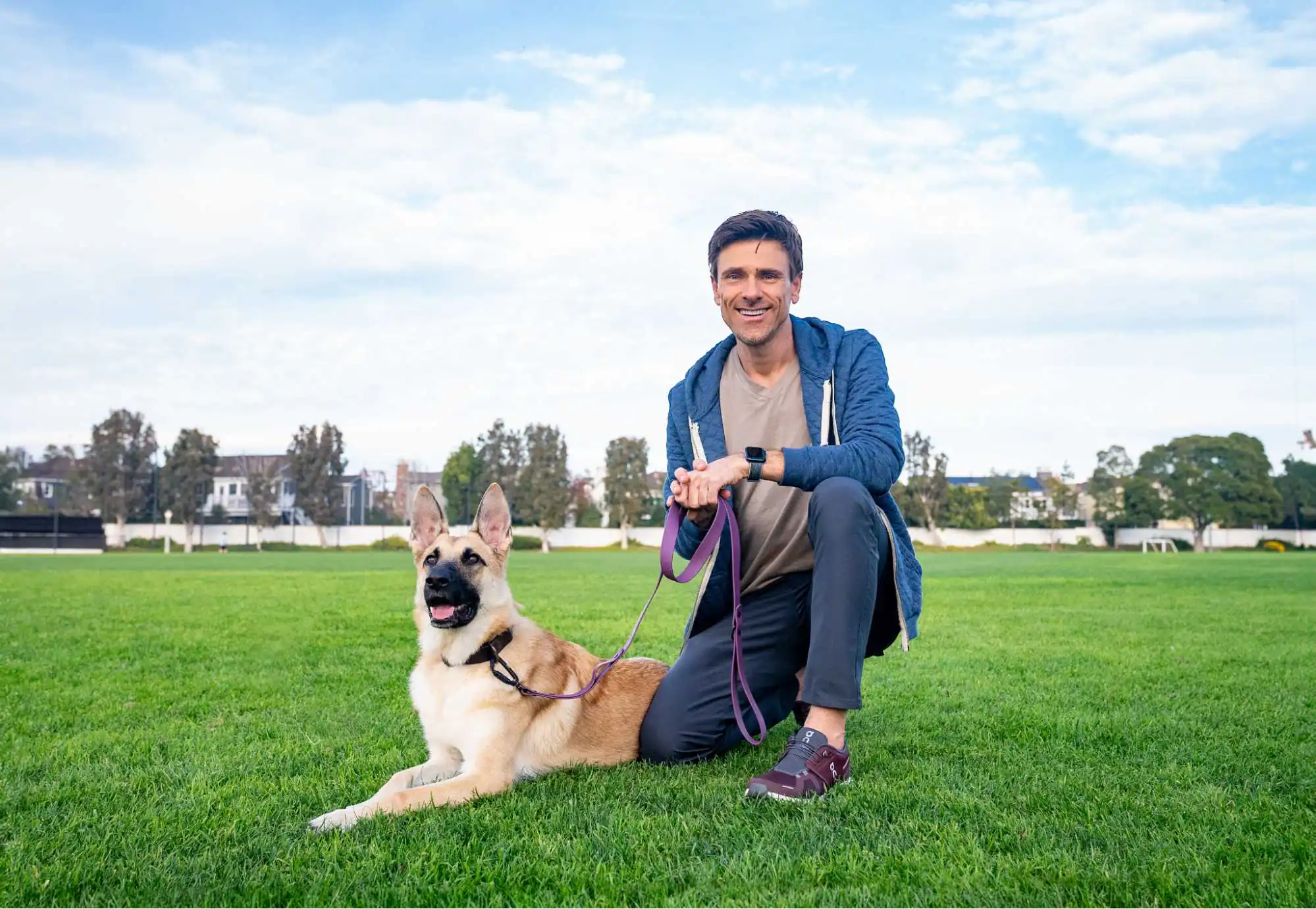
For those in Orange County, Bryndon Golya, CDBC, a Certified Dog Behavior Consultant through IAABC and founder of OC Canine Coaching, offers expertise grounded in evidence-based methods and empathy. His relationship-focused training ensures your dog’s behavior is addressed with understanding and care, making him a standout choice for building trust and long-term results.

With over a decade of experience in dog training and behavior modification, I’m dedicated to helping families create stronger bonds with their pets. I specialize in resolving challenging behavioral issues and guiding new puppy owners with confidence. At OC Canine Coaching, I blend science-based techniques with compassionate training to deliver lasting results. My work focuses on helping dog owners in Orange County raise calm, well-mannered companions through tailored coaching and ongoing support.