
Training for the Reactive Dog?
Reactivity is one of the most common issues with dogs young and old. Learning how to properly manage and help these dogs takes a deeper understanding of the causes for reactivity in dogs.
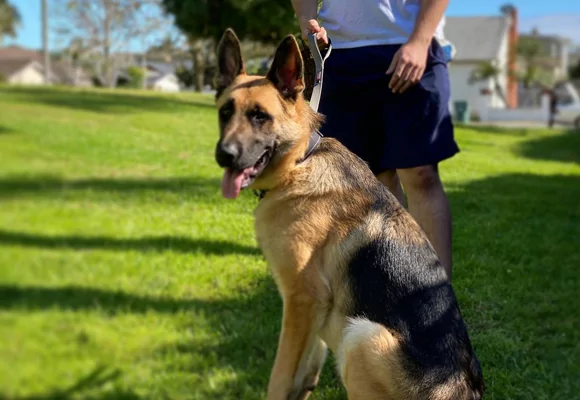
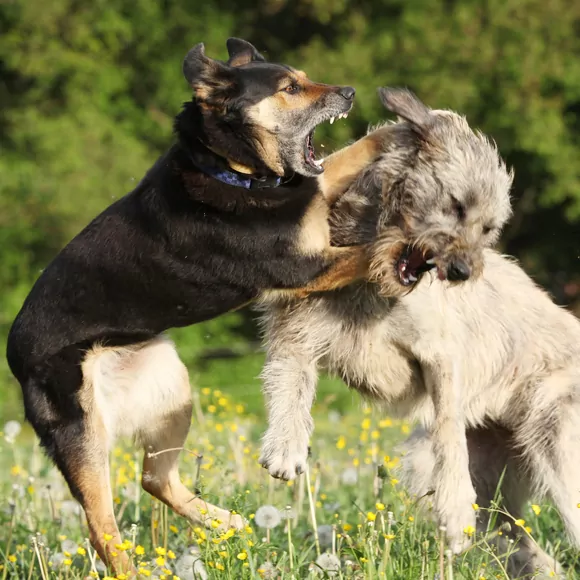
SIGNS OF REACTIVITY
Reactivity is very common and one of the most common reason I am called for help.
Reactivity looks aggressive. The behavior is a response to something your dog wants to go away or something they can’t get to fast enough. Understanding your dog’s motivation is crucial to training your dog to relax.
Contributing factors to reactivity in dogs are,
Lack of proper socialization,
undiagnosed pain,
sensory changes(sight/hearing) fear,
overarousal and frustration,
punishment based training,
forced exposures.
SOLUTIONS
We do not recommend punishing your dog for this behavior. It often only suppresses the Barking, whining and lunging behavior.
Teaching your dog to feel more comfortable is step one for fearful and unsocialized dogs.
Teaching alternate behaviors around triggers is a crucial next step and primary for dogs that are too eager to meet evey dog and every person they see.
This is often part of desensitizing and counterconditioning your dog to their triggers.
See our reactivity page for more information. ( in exchange for name, phone number and email)
Is this my first time meeting your dog?
Please start with an initial training consultation.
Choose in-person or virtual
INITIAL TRAINING
CONSULTATION
Each in-person (private) training program starts with an initial consultation that typically lasts about 90 minutes. This first meeting allows me to get to know your pets better, experience the relationship dynamics and assess the environment for immediate considerations that may prove useful to improve your dogs’ behavior.
- 90 Minutes
VIRTUAL ONLINE
CONSULTATION
Like our in person consultation, this first meeting allows me to get to know your pets better, experience the relationship dynamics and assess the environment for immediate considerations that may prove useful to improve your pets’ behavior. This initial in person consultation is a little more talk than action.
- 75 Minutes
Reasons To Fall In Love With Us,


100+ Verified Reviews And Testimonials From Happy Dog Owners Across Orange County.
Recommended by local
veterinarians, pet stores, and other esteemed animal behavior colleagues. We have several Yelp and Google reviews to help you make a good decision in who you trust with your best friend.

None Of Our Programs Involve Shock, Choke Or Prong Collars.
You are not responsible for dominating your dog and you don’t have to learn to be “Alpha”. Training will not be painful or scary. We use reward based methods as these help increase good behavior and strengthen your relationship.

We Are Continually Learning And Adapting.
I regularly attend education lectures, seminars and events annually with some of the biggest names in the world of training and behavior to stay up to speed on the latest in positive, science based strategies and protocols.

We Offer A Wide Variety Of Training Options.
We offer a wide variety of training options for our clients including basic and advanced puppy classes, new rescue training and orientation, reactivity and
aggression training, off leash
preparedness training, training for the very sensitive and shy, as well as trick classes for those just wanting to have fun with their dogs.



Or for on-going training
VIRTUAL
ONLINE COACHING
Are you keeping your distance socially or outside my service area? Online virtual training is a great tool for a wide range of behavior issues and training goals. The main difference is that these visits are conducted over video through Zoom, Skype or Facetime via your home computer and cell phone.
- Online Consultation
PRIVATE 1-ON-1
COACHING
Our in person coaching programs are a fantastic choice for many pet owners who might need a more intimate approach, allowing me to show you professional training and behavior modification techniques in person. You will learn how to improve your technique and timing with me present.
- 1 hour In Person Training
DAY
TRAINING
Are you short on time or have a busy schedule? Do you want a faster paced program similar to a boot camp while allowing your dog to still live in the comfort of their own home? This is ideal as many off-site “bootcamps” have several different trainers working in a stressful environment with methods I often generally do not recommend.
- Package Of 6 Day Trainings
Frequently Asked Questions
Reactivity looks and feels like aggression in many cases, especially if your dog is fearful. Aggression and Reactivity are both dependent on your dog’s emotions, learning history and environment and the behavior are functional in both.
In both cases your dog is likely trying to create or get distance from a dog, person or animal. Reactivity though often seems a little over the top and sometimes unpredictable. Your reactive dog may lunge and bark because of fear or overexcitement and frustration. This is very common in adolescence.
True aggression can stem from the lack of control, threats, fear of not being able to communicate their intentions in a way that helps them. Your dog may have tight lips, furrowed brows, lined up body language coupled with staring if they intend to be aggressive. Reactive dogs typically vocalize, lunge, spin and make a big scene about something that is less than consequential.
The first thing you should do is to slow down and change your behavior. Try to understand the conditions that your dog is reactive in. If they are afraid then work on confidence and give them more distance from triggers. If over excited and frustrated on leash, teach then other behavior they can perform that would inhibit reactive ones. Bring more food on your walk if you haven’t tried. Give some to your dog when “they” see dogs. See our reactivity page here.
There are many causes for reactivity in dogs but the most common have to do with a lack of or improper socialization, poor environmental management, corrections and punishment on leash, pain, hormonal changes, as well as genetics and epigenetic factors after during gestation and after birth.
Yes, these issues are common and I work with them all the time. While you can’t resocialize, you can carefully teach your dog the world is a fun, predictable place with rules they can follow and count on. They can make new positive associations and learn new skills that can help them increase their confidence and improve temperament
Reactivity can appear in any breed. There are no special breeds here but dogs who are understimulated, bored and with limited social experience are more likely to show reactive behavior.
Like many behavior issues, it is important to seek out professional guidance on this manner. These behaviors can be practiced and rehearsed daily which will turn them into learned behaviors. When hiring a professional you want to know their credentials and what methods they intend to use. Avoid anyone who wants to correct or punish the behavior away. That could backfire badly.
Some of the most common ways we contribute to our dogs’ reactivity is by overexposure to triggers they are scared of. Tightening your leash when you see dogs can tell your dog there is something wrong with the approach of dogs. A tight leash while meeting another dog is a sure fire way to make the interaction harder, leading to conflict. Making your dog sit when they are nervous around dogs is another way you might be affecting your dogs reactivity. Finally, the use of aversive tools like choke, prong, and e collars can increase arousal, frustration and lead to other issues like fear and anxiety.
For other questions, call us at
(949) 836-6708