
How to Read Your Dog’s Body Language Effectively
- | Blog

If you’ve ever wondered what’s really going on in your dog’s head, the answer often lies in their body language. Learning how to read your dog’s body language can help you strengthen your bond, prevent problem behaviors, and respond with more confidence.
Instead of guessing whether your dog is anxious, excited, or unsure, you can look for clear signs — like the way their tail moves, how their ears are positioned, or the tension in their body. These details tell you far more than a hunch ever could.
In this post, I’ll walk you through the most common signals and what they mean, so you’ll know exactly how to read your dog’s body language and better understand what your dog is trying to communicate.
Understanding the Basics of Canine Communication
Your dog’s body language is like secret code your pup is using to communicate. It is interesting, fun, and a critical tool in developing a positive relationship with your dog. The ability to get a good idea of why your dog is communicating in real time make the difference in preventing unwanted behavior. It is how dog trainers stay a step ahead of the average dog owner.
However, there is a misunderstanding of a lot of the typical dog signals. For example, if you think that all wagging tails mean a dog is happy, then this could lead to some surprise encounters – dogs can also wag their tails when feeling anxious, fearful or highly aroused. Likewise, a dog that is avoiding eye contact might be trying to avoid punishment, and not being disobedient.
Misinterpretation of these signals can result in inadvertently reinforcing unwanted behavior or adding further stress.
A 2016 study on interactions between children and dogs and whether adults can interpret canine body language. Among the 71 participants, there were dog owners with children, dog owners without children, non-dog owners with children, and non-dog owners without children.
The dogs appearing in the videos were fearful/anxious and lacking in confidence. However, participants classified the majority of dogs as relaxed (68.4%) and confident (65.1%). In reality, when interacting with children, the dogs showed very little play behavior (23.0%) and relatively few friendly behaviors (19.2%.
Even those adults with prior dog ownership experience didn’t do well. They actually did worse in correctly grading behavior.
These results suggest that humans in general are not good at reading anxiety/fear-related behavior in dogs interacting with children, dog owners or not. Which is why learning how to read dog body language is crucial for every dog parent and owner. It improves communication with your pet and could help prevent dog bites and misunderstandings.
Interpreting Your Dog’s Signals
1. Tail Position and Movement
There is more to a dog’s tail than meets the eye. It is a key indicator of mood:
– Low or Between the legs: Can indicate fear or caution.
– Mid-level and wagging low: This is often a sign of a happy and satisfied dog.
-Circle Wagging: Definitely excited and joyful.
– Quick wags: A tail that wags up a storm could be signaling the dog is excited — or that the dog is full of nervous energy or anxiety.
– Stiff, Upraised Tail: It is often a sign of alertness, arousal or agitation.
2. Ears and Their Positions
A dog’s ears are highly expressive:
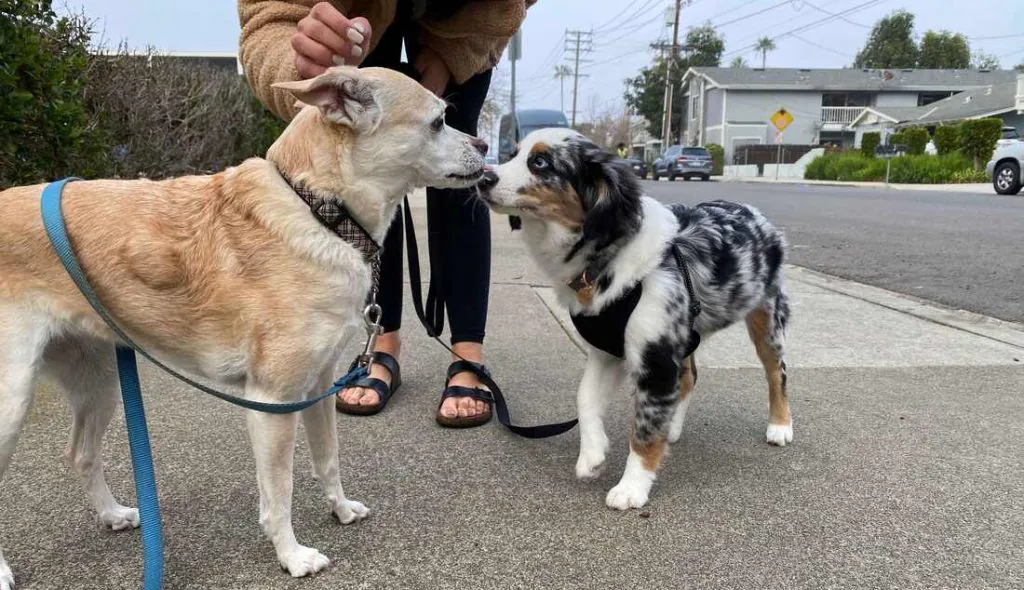
Perked Ears: Ears that are upright and facing forward typically mean your dog is curious or intrigued.
Ears pulled back: Signaling fear or stress, likely trying to diffuse tension. Depending on context, they might also be signaling appeasement.
Loose and relaxed ears: Unaroused, content and comfortable.
Eye Contact and Expressions
Dogs typically don’t give more than a few seconds of direct eye contact unless they have a good relationship with you or another dog. They use their eyes to signal their intentions.
Dogs often blink to diffuse tension to keep things playful. On the other hand, a hard stare might signal conflict or tension. Dogs will often turn their heads to signal deference or to calm a situation down.
Whale eye (showing the whites): Is typically a sign of distress or discomfort.
Dilated Pupils: Dogs with dilated pupils are showing signs of arousal. This is an indicator your dog may need to calm down especially if fearful or aggressive behavior follows.
Beneficial in Training: Eye contact is used in training for many reasons and is one of the first behavior we teach. Not only does it help with attention issues but it is also a nice way to have the dog ask for things they want. Gentle prolonged eye contact can trigger oxytocin release in both dogs and humans, building the bond between them.
3. Dog Body Language:
Stiff or tense stance – When a dog’s feet and legs appear rigid, it often signals heightened arousal. Depending on context, this tension may indicate fear, defensive aggression, or uncertainty.
Play bow (front legs lowered, hindquarters up) – One of the clearest signals in dog body language. It usually means “I want to play”, but it can also serve to show playful intent before roughhousing or chasing.
Crouching or shrinking back – A lowered body posture, often with the tail tucked, suggests fear, anxiety, or submission. The dog is literally making itself smaller to appear less threatening or to avoid conflict.
Loose, balanced posture – When a dog’s weight is evenly distributed with relaxed muscles, it typically indicates the dog is calm, comfortable, and confident in their environment.
Leaning forward – A forward-leaning posture can suggest curiosity or challenge, especially if paired with a stiff tail and focused stare. When these signals combine it may be a sign aggression is nearby.
4. Dog’s Head
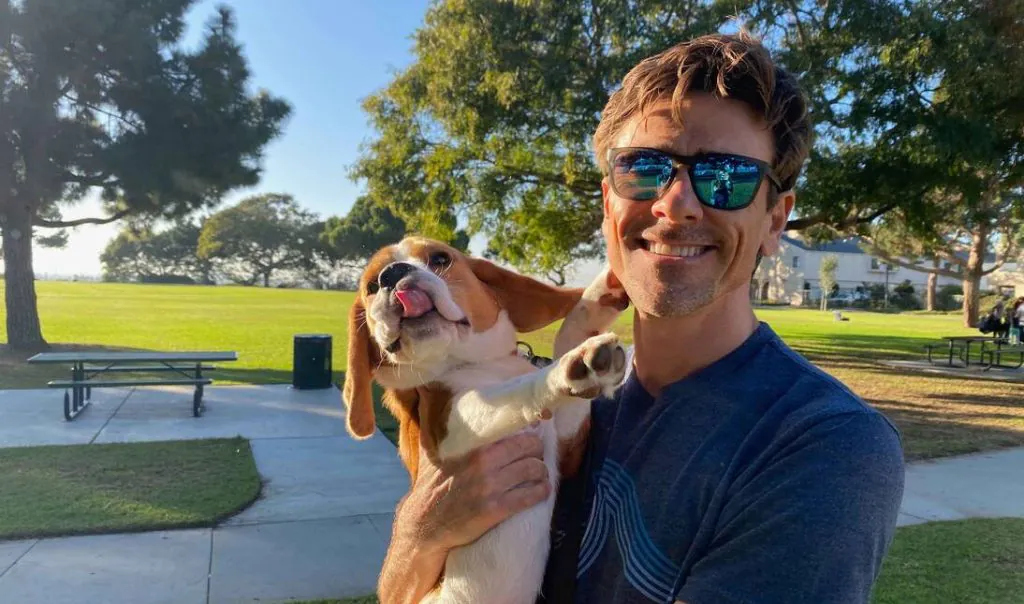
A dog’s head position can indicate their emotional state:
– Held high: Often signals interest or alertness to surroundings.
– Lowered: Often means submission or a desire to avoid conflict
– Tilt: Indicates curiosity or trying to understand something new.
5. Dog’s Mouth
The mouth is very expressive:
– Yawning: More than just a sign of sleepiness, yawning can indicate stress or anxiety. Yawning in unfamiliar situations means your dog is trying to calm themselves down.
– Baring Teeth: This is usually a warning sign. A snarling or growling dog might be feeling threatened or ready to protect themselves, making you susceptible to dog bites.
– Panting: Sure, it could mean your dog’s just hot or tired, but rapid panting can also indicate stress.

6. Other Dog Behaviors
– Barking: Could mean enthusiasm, warning, or stress — it is the context that counts.
– Licking: Sometimes out of affection, stress, or submission.
– Panting: Excitement, heat, but panting can also indicate stress.
– Rolling Over: The desire for a belly rub is not the only reason your dog may roll over, although that might play a part. It is also a symbol of trust and submission.
– Leaning: When your dog leans against you, they are expressing love or seeking comfort and assurance.
– Body Stiffness: A dog that stiffens up and has a tensed body is usually in high alert mode. They could be frightened or threatened.
Advanced Insights into Reading Dog Body Language
Recognizing Play vs. Aggression
During play, you’ll often notice a loose and wiggly body, with the dog’s movements being more exaggerated and bouncy. The classic “play bow,” where the front end is low and the tail ends up in the air, is an invitation to have fun and let loose.
In contrast, a stiff and rigid stance is a sign of a dog displaying threatening or aggressive signals. The dog’s body will appear tense, and hair may stand up along the back. Growling, bared teeth, or a fixed stare combined with a forward or standing tail could signal it’s time to remove your dog from the situation. Failure to interpret these signals effectively leads to conflict and even dog bites.
Recognizing Stress, Nervousness, and Anxiety
Dogs display stress and
Dogs display stress and anxiety through a variety of signals. Watch for signs such as yawning unrelated to sleep, panting without physical activity, or frequent lip licking. Learning how to read your dog’s body language in these moments helps you step in early and reduce their stress before it escalates.
Other signs of a nervous dog might include a tucked tail, clinging to your, climbing up your body, or flattened ears.
Alertness and Cautious
If your dog suddenly notices something or is in new surroundings, their body may be alert and wary. Your dog will stand tall with their ears perked, and their tail held skyward in a straight or slightly swishing tail. Their eyes are frequently open and focused on their point of interest.
The caution changes the canine posture. The tail probably gets that much more spread, the body more at rest-ish, the ears inched up and pointed forward a little bit more, and the head cocks to one side (plus a little bit up, but not much).
Submissive vs. Fearful
A submissive dog might roll over and expose their belly, lower their body to the ground, or even urinate slightly when greeted. Their tail might wag low and wide, and their ears lay back.
Fear is a stronger emotion, though. It presents as a low body posture and tucked tail, but with a more manic energy. Fearful dogs may shiver, show the whites of the eyes (whale eye), and avoid eye contact. Understanding these differences will help you comfort your dog in the right way.
Factors to Consider When Interpreting Your Dog’s Body Language and Behavior
While learning how to read dog body language is incredibly useful, understanding context is equally crucial. Every dog is an individual with a unique personality, and their breed, socialization, and past experiences all play roles in how they express themselves.
Specific Breed Attributes: The characteristics of certain dog breeds may influence how they express themselves. For example, a gentle tail wag in a retriever may represent the equivalent of a full-body waggle in a boxer. A French Bulldog has no tail, square body and limited facial features which makes interpreting their body language harder.
Life Experience: A rescue dog has different warning signs of anxiety or aggression when it comes to their past. Patience and knowing their history are crucial.
Environment/Situation: Take in the environment – does your dog behave differently in an overcrowded dog park than in your quiet backyard?
Interaction with Animals: If your dog interacts with another animal, particularly one they do not know, it may affect how your dog responds.
Why You Need to Know How to Read Dog Body Language
Because your dog is essentially a family member, you owe it to them to make an effort to understand what they are trying to communicate to you and the rest of the world. It is much more reasonable to learn the basics of your dogs body language that to expect them to learn the complexities of ours. By knowing when your dog is happy, fearful, apprehensive, overwhelmed or frustrated, you can reduce conflict lead a more harmonious life with them.
Enhance Your Bond
Your relationship with your dog will go a long way in improving if you pay attention to your dog’s body signals. Only by knowing when they are happy, stressed, or scared can you respond appropriately. This new understanding will surely help you establish a more trusting and congruent relationship.
Keep Them Safe
Pet communication is a master key that helps in keeping your dog safe. At home or out in the park, this knowledge could be a literal lifesaver for your dog and for others. For instance, the ability to tell your dog is uncomfortable vs. just playing a game of chase with another dog could reduce the chances of fear conditioning and future reactivity around dogs. You can be a better advocate for your dogs if you know their individual comfort zones.
Improve Training
When you are in tune with your dog’s needs and feelings you can train your dogs more effectively. Instead of pushing your dog through needless adversity, you might realize your dog is struggling to understand and is hesitant to proceed. If you can make an adjustment to your training plan with this information, you can build trust and often have better training outcomes.
Conclusion
Learning how to read your dog’s body language is one of the most important skills any dog parent can develop. By recognizing subtle signals, you can build trust, prevent unnecessary conflict, and respond to your dog with greater empathy. This awareness makes training more effective and strengthens the bond you share. In the end, understanding canine communication ensures a safer, happier, and more connected life together.

With over a decade of experience in dog training and behavior modification, I’m dedicated to helping families create stronger bonds with their pets. I specialize in resolving challenging behavioral issues and guiding new puppy owners with confidence. At OC Canine Coaching, I blend science-based techniques with compassionate training to deliver lasting results. My work focuses on helping dog owners in Orange County raise calm, well-mannered companions through tailored coaching and ongoing support.