
Transforming Fear: Expert Strategies for Dog Aggression and Reactivity in Newport Beach
- | Blog
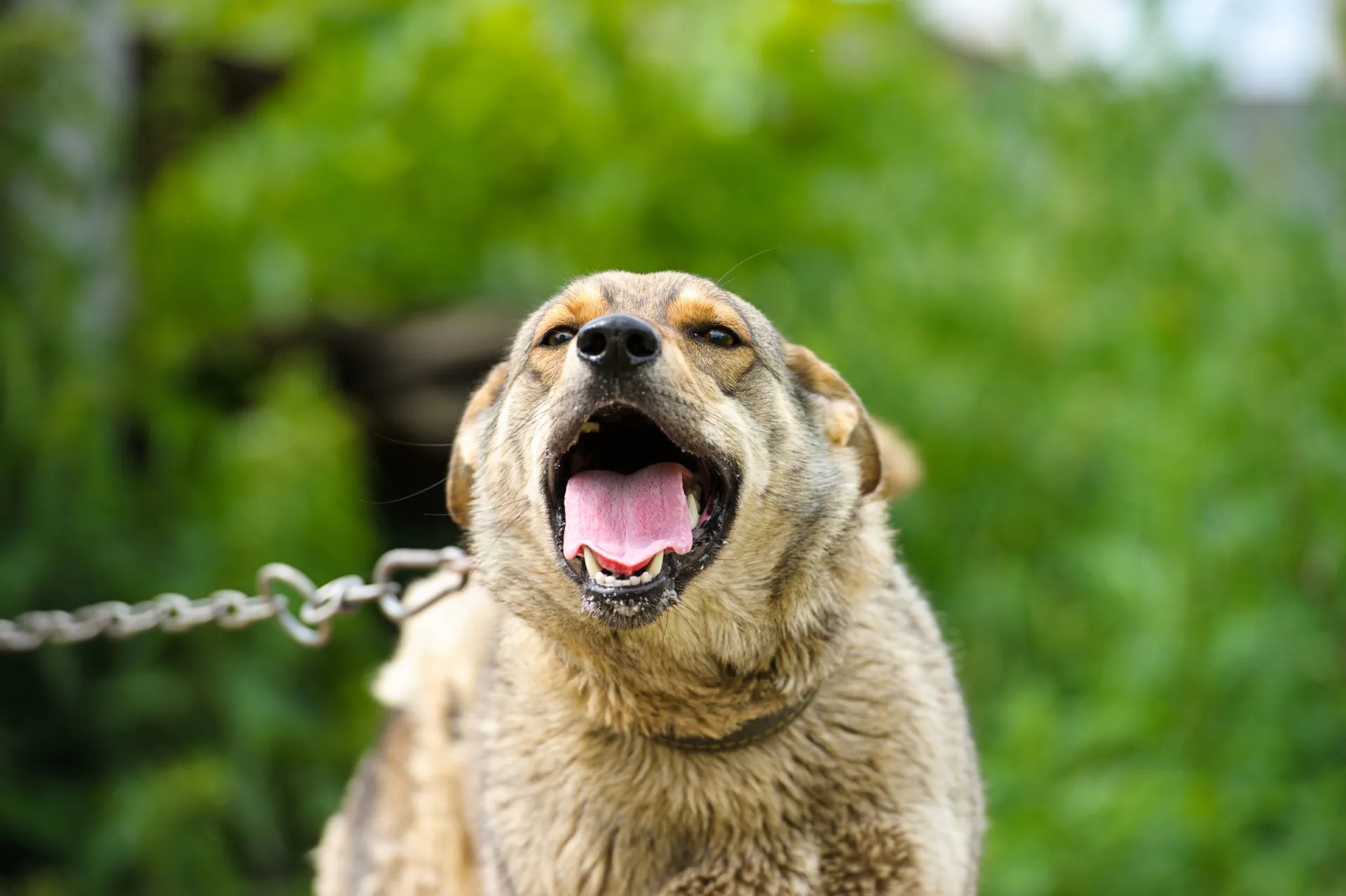
Unlocking the Secrets of Fear-Based Dog Aggression in Newport Beach
In Newport Beach, the prevalence of dog aggression and reactivity often stems from a common yet misunderstood cause: fear. Recognizing the signs and understanding the root causes of this behavior are the first steps toward effective resolution. This guide aims to equip dog owners with the knowledge needed to identify fear-based aggression and understand how professional intervention can make a difference.
Identifying the Root Causes of Fear-Based Aggression
Fear-based aggression in dogs typically arises when a dog perceives a threat to its safety. This reaction can manifest due to various triggers such as loud noises, unfamiliar people, or restrictive leashes. In Newport Beach, where dogs are often exposed to diverse environments—from bustling streets to crowded parks—the potential for such triggers is high.
Many dogs in Newport Beach have histories of punitive training methods aimed at suppressing undesirable behaviors rather than addressing the underlying fear. Such approaches often exacerbate the problem, leading to an escalation in both aggression and reactivity. Professional trainers and behaviorists focus instead on understanding and mitigating the fear that drives these behaviors, offering a more compassionate and effective solution.
Symptoms: Understanding What to Look For
The signs of fear-based aggression can vary widely but typically include:
- Freezing or stiffening in place upon encountering a trigger.
- Growling, barking, or snarling when feeling cornered or threatened.
- Attempting to flee or hiding in response to fear-inducing situations.
Specifically, dogs on leashes might display aggression as their options to flee are limited, making them feel trapped. Recognizing these symptoms early on is crucial for preventing escalation and for implementing effective interventions.
The Role of Professional Services
Professional trainers and behaviorists in Newport Beach adopt a holistic approach to dealing with fear-based aggression. They start with a comprehensive behavioral consultation to understand the specific needs and history of each dog. By creating a sense of safety and gradually exposing the dog to their fears in a controlled manner, professionals can significantly reduce incidents of aggression.
One effective technique used is the introduction of a longer leash during walks. This simple change can give dogs more space to explore and escape potential threats, reducing their need to resort to aggression. Moreover, professionals often incorporate positive reinforcements such as treats and verbal praises to build trust and reassurance during training sessions.
Embracing a New Approach to Aggression training
Transforming a fear-aggressive dog into a calm, trusting companion requires patience, understanding, and the right guidance. In Newport Beach, where the canine population is as diverse as its human counterpart, embracing professional services that focus on the psychological well-being of dogs rather than punitive measures is crucial. Such approaches not only restore peace but also build a stronger bond between dogs and their owners, enhancing the quality of life for all involved.
This insight into the mechanisms of fear-based aggression and the professional options available offers a beacon of hope for those struggling to manage these challenging behaviors in their canine companions.

With over a decade of experience in dog training and behavior modification, I’m dedicated to helping families create stronger bonds with their pets. I specialize in resolving challenging behavioral issues and guiding new puppy owners with confidence. At OC Canine Coaching, I blend science-based techniques with compassionate training to deliver lasting results. My work focuses on helping dog owners in Orange County raise calm, well-mannered companions through tailored coaching and ongoing support.