
When to Consult a Behavior Specialist: Signs Your Dog Needs Expert Help
- | Blog
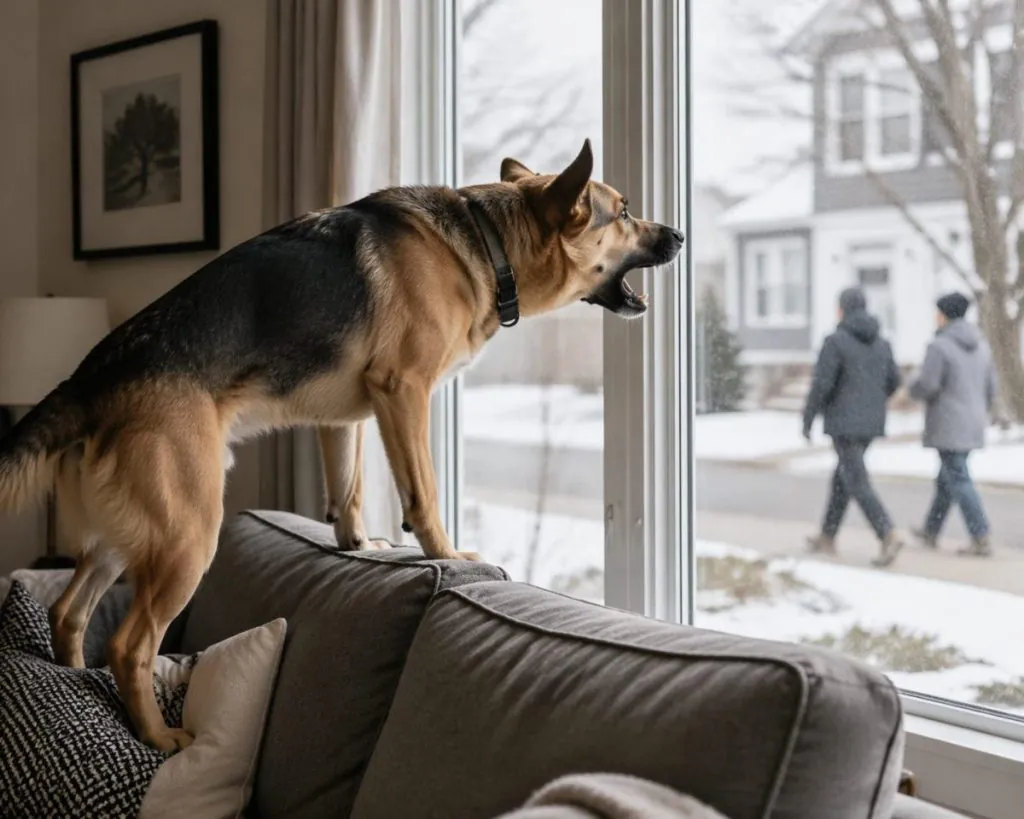
When dogs exhibit troubling behaviors—like excessive barking, aggression, or anxiety—it may be time to consult a behavior specialist. Expert intervention ensures the dog’s well-being and helps reduce stress for the owner. Bryndon Golya of OC Canine Coaching specializes in addressing behavioral challenges, offering customized solutions to enhance dogs’ quality of life. Early identification and intervention foster healthier relationships between pets and their owners, preventing behavioral issues from escalating.
Key Takeaways:
- Recognize signs like excessive barking, destructive behavior, or aggression.
- A behavior specialist creates personalized plans for behavior modification.
- Professional help is crucial if behavior issues impact daily life or stem from past trauma.
What Is a Behavior Specialist?
A behavior specialist is an expert in modifying problematic behaviors in dogs through positive reinforcement and targeted behavior plans. Unlike general dog trainers, behavior specialists address complex behavioral challenges like fear, aggression, and anxiety. Certified specialists often collaborate with trainers to offer a comprehensive approach to dog behavior management. Their goal is to correct unwanted behaviors and improve communication between dogs and their owners, creating healthier, long-term relationships.
Behavior specialists are particularly effective in cases where traditional training methods have failed. They use scientifically backed techniques to address underlying behavioral issues, ensuring a balanced approach that enhances both the pet’s mental well-being and the owner’s peace of mind.
Signs Your Dog Needs a Behavior Specialist
Recognizing the early signs of behavioral challenges is essential in preventing long-term issues. A proactive approach ensures that problems don’t become ingrained and harder to address.
Excessive Barking or Whining
Frequent barking or whining can indicate stress, boredom, or a need for attention. While all dogs vocalize occasionally, constant barking may point to underlying anxiety, separation distress, or a lack of mental stimulation. Common triggers include loneliness, loud noises like sirens, or insufficient exercise.
To address this, owners can use positive reinforcement by rewarding quiet behavior and gradually exposing their dogs to stressors through desensitization. Simple changes like more interactive play or puzzle toys can also reduce disruptive vocalization.
Aggression Toward People or Other Animals
Aggression, such as growling, biting, or snapping, requires immediate attention, since it puts both the dog and others at risk. This behavior often stems from fear, trauma, or territorial instincts. A behavior specialist can identify triggers—such as environmental stress or past negative experiences—and develop a tailored behavior plan. Some causes are easy to miss, like pain, poor sleep or stress that stacks up over several days; I cover them in Hidden Causes of Dog Behavior Problems.
Techniques like counter-conditioning and positive reinforcement help dogs feel safe while minimizing aggressive tendencies. Proper management of aggression ensures a safer environment and fosters better social interactions.
Chewing or Property Destruction
Destructive chewing can indicate boredom, anxiety, or frustration. Dogs often chew to cope with stress, especially when under-stimulated or left alone for extended periods. Destructive tendencies might involve tearing up furniture, shoes, or other household items.
Structured playtime, puzzle toys, and consistent training sessions can keep dogs engaged. If the behavior persists, a specialist can identify underlying causes and recommend redirection strategies, such as substituting inappropriate items with chew toys.
Biting or Nipping
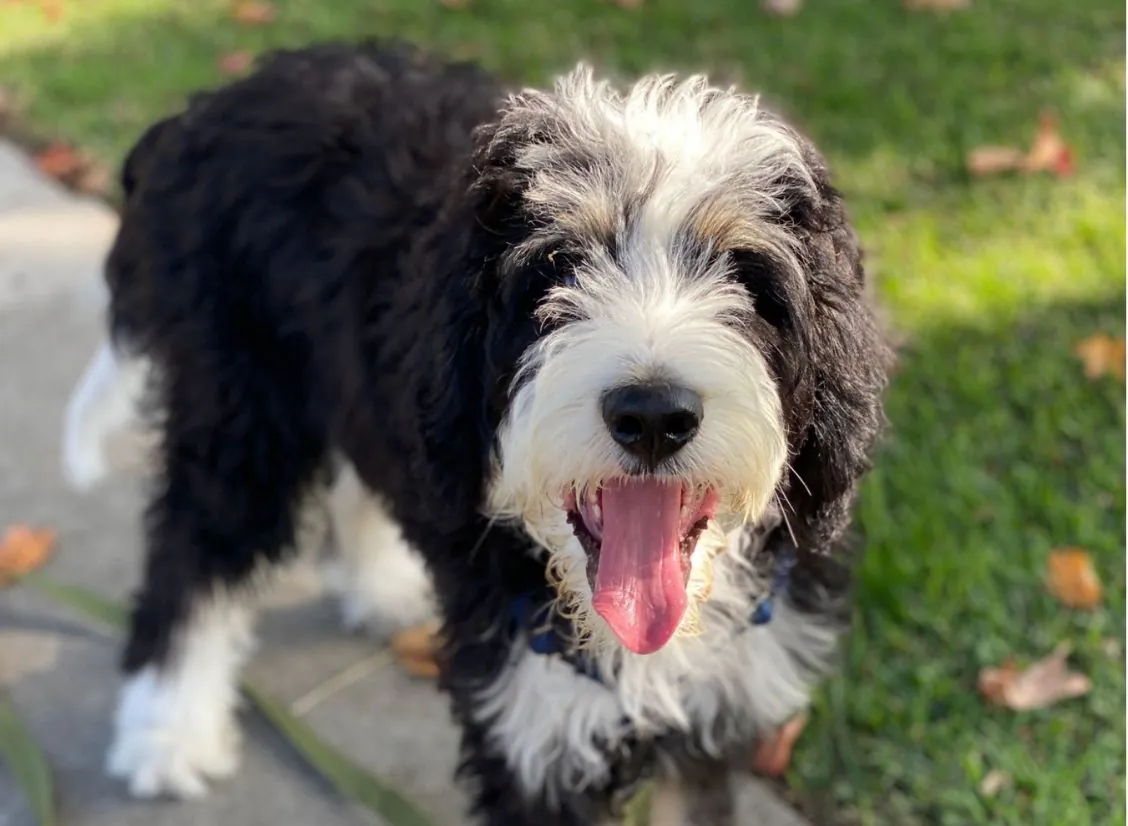
While playful nipping is normal in puppies, excessive biting in adult dogs suggests poor impulse control or anxiety. Dogs may nip out of excitement, fear, or frustration, leading to potential safety concerns. Training the dog to understand boundaries is essential, as is addressing any underlying triggers.
A behavior specialist will develop strategies tailored to your dog’s needs, reinforcing appropriate behavior through rewards and redirecting biting into positive play activities.
Excessive Fear or Anxiety
Fear and anxiety in dogs can manifest through trembling, hiding, destructive behavior, or attempts to escape. Separation anxiety is particularly challenging, as it causes distress for both dogs and owners. Dogs with anxiety may bark excessively, destroy items, or exhibit physical symptoms like pacing or drooling.
Addressing anxiety requires patience and structured intervention. Specialists often use desensitization techniques, gradually exposing dogs to stressors while rewarding calm behavior. Environmental changes, such as creating safe spaces, also help dogs feel more secure.
How Behavior Specialists Can Help Your Dog
A behavior specialist offers essential support by conducting thorough assessments and developing personalized behavior modification plans. These experts provide strategies tailored to individual dogs, ensuring sustainable progress and improved well-being.
Assessment and Diagnosis
The first step in addressing behavioral issues is a detailed assessment by a specialist. This involves observing the dog’s behavior, interviewing the owner, and analyzing triggers. Specialists may also use behavior checklists or video recordings to capture behavior patterns that might go unnoticed in real-time.
By identifying the root causes—such as fear, anxiety, or past trauma—the specialist creates a roadmap for intervention. This thorough evaluation ensures that the strategies employed are aligned with the dog’s specific needs.
Creating Personalized Behavior Plans
Behavior modification plans are customized to address the unique challenges each dog faces. These plans typically include:
- Clear Objectives: Defining realistic goals based on the dog’s behavior, such as reducing aggression or improving socialization.
- Targeted Strategies: Using techniques like counter-conditioning and consistent reinforcement to shape positive behaviors.
- Progress Monitoring: Tracking the dog’s improvement through structured assessments and adjusting the plan as needed.
Tailored plans ensure sustainable behavior change, enhancing the dog’s well-being and strengthening the owner-pet relationship.
Ongoing Training and Support
Behavior specialists provide continuous guidance through hands-on coaching sessions, ensuring that owners can implement strategies effectively. This collaboration is essential for reinforcing positive behavior at home. Regular feedback helps owners stay on track, creating consistency that accelerates progress.
Support may include both in-person sessions and virtual coaching to accommodate the needs of the dog and owner. This combination of flexibility and professional input ensures the best outcomes for lasting behavior improvements.
When to Consult a Behavior Specialist
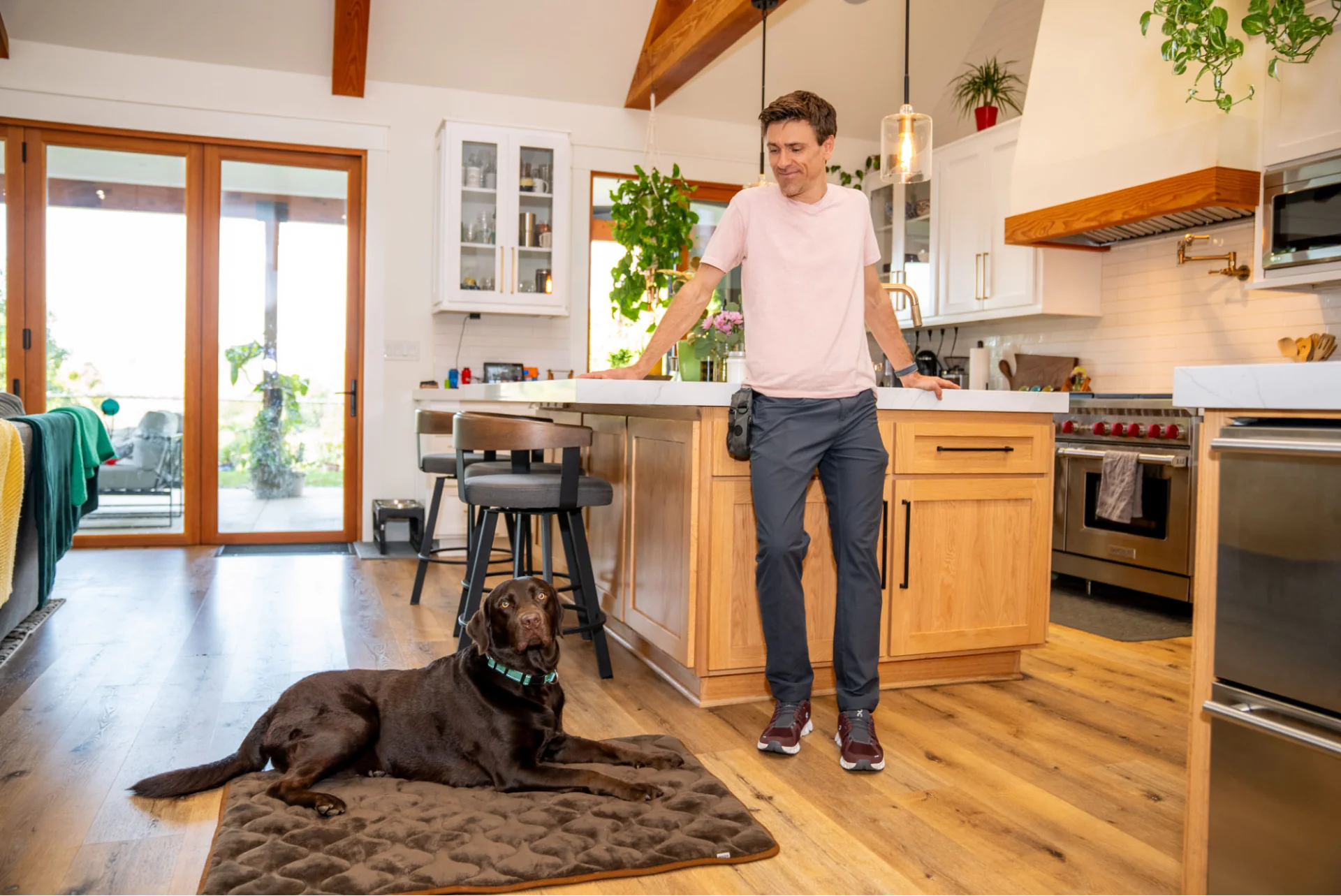
Knowing when to seek professional help is essential for addressing behavioral challenges before they become unmanageable.
When Behavior Issues Disrupt Daily Life
When dogs’ behaviors—like persistent barking or aggression—interfere with daily routines, it’s time to consult a specialist. These challenges affect not only the dog’s well-being but also the owner’s quality of life. Timely intervention restores harmony at home and prevents further issues from developing.
When Traditional Training Methods Fail
If obedience training alone doesn’t resolve behavioral issues, a behavior specialist can offer new insights. Specialists go beyond basic commands, addressing deeper behavioral triggers and implementing targeted strategies for long-term improvement.
For Dogs with Trauma or Abuse Histories
Dogs with trauma histories often require specialized care. These dogs may struggle with trust, exhibit heightened anxiety, or react aggressively to perceived threats. A behavior specialist offers tailored strategies to support recovery and foster emotional healing, ensuring these dogs feel safe and secure.
If Your Dog Shows Aggressive Behavior
Aggression should never be ignored, as it can escalate quickly. Consulting a specialist ensures that appropriate strategies are in place to manage aggression and prevent harm, creating a safer environment for the dog and others.
To Enhance Your Dog’s Quality of Life
Behavior specialists help dogs thrive by addressing anxiety, fear, or frustration, enhancing their mental and emotional well-being. Improving behavior also strengthens the bond between dogs and their owners, leading to a more fulfilling relationship.
OC Canine Coaching: Expertise in Dog Behavior and Training
OC Canine Coaching, led by Bryndon Golya, specializes in working with challenging behavior issues, including human and dog-directed aggression, fear, anxiety, reactivity, and obedience training. Bryndon uses modern, reward-based methods, ensuring positive outcomes for both dogs and their owners.
As one of the few Certified Dog Behavior Consultants (CDBC) with the International Association of Animal Behavior Consultants (IAABC) in Orange County, Bryndon stands apart from many uncertified trainers in the area. His holistic approach focuses on understanding the individual needs of each dog to create effective behavior modification plans. This includes looking at medical and nutritional needs that might be neglected as well.
OC Canine Coaching was founded in 2010 and offers a variety of services, including private 1-on-1 training, day training, and online coaching.
By focusing on communication, trust, and positive reinforcement training methods, Bryndon helps both dogs and their owners achieve long-term success. OC Canine Coaching provides comprehensive support to address behavior challenges, promote emotional well-being, and strengthen the bond between dogs and their families.
Conclusion
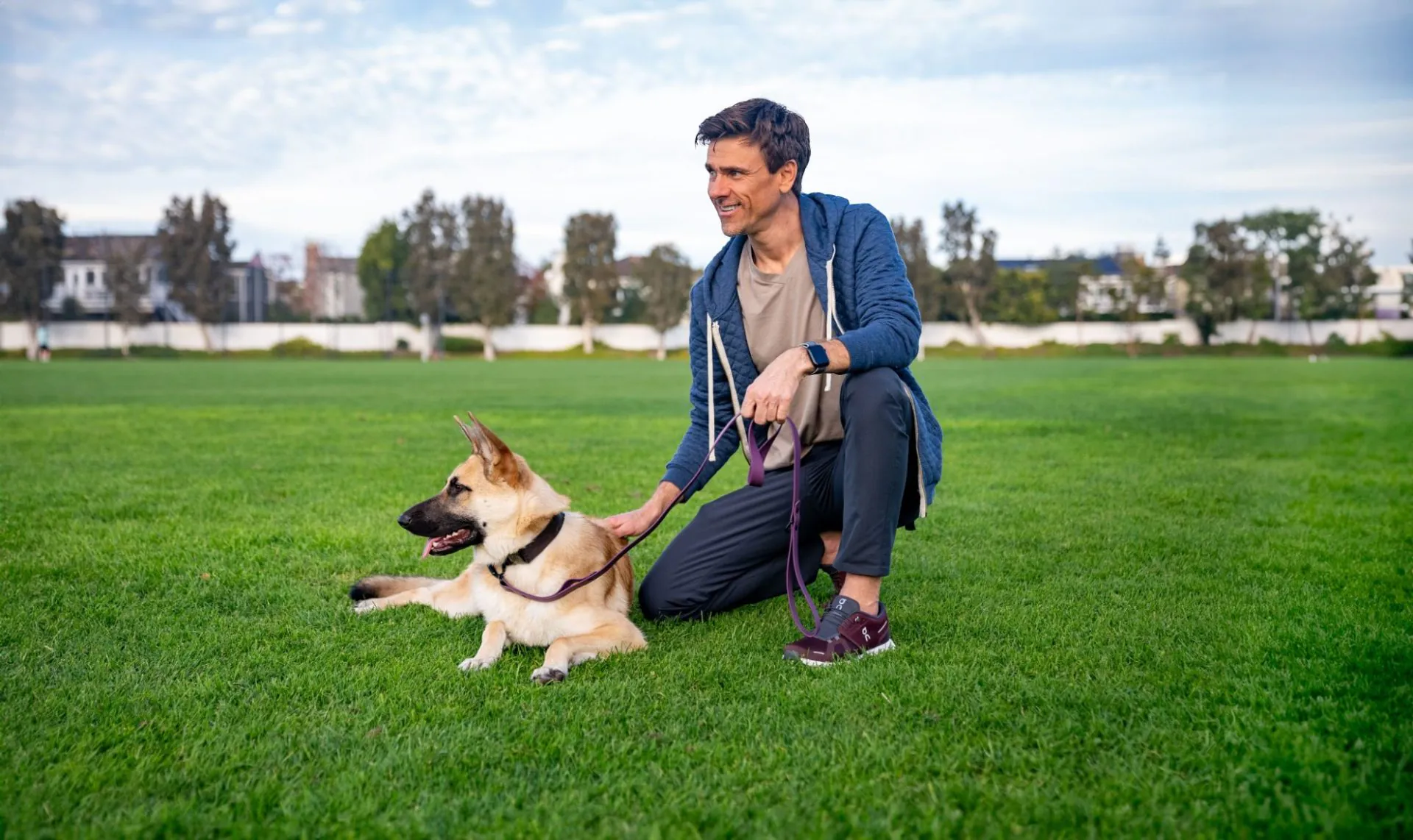
Consulting a behavior specialist makes a significant difference in managing dog behavior challenges, from anxiety and aggression to destructive tendencies. With personalized plans and ongoing support, experts like Bryndon Golya of OC Canine Coaching ensure both dogs and their owners experience a better quality of life. Early intervention is essential to prevent issues from escalating and fosters a happier, healthier relationship between you and your furry companion.

With over a decade of experience in dog training and behavior modification, I’m dedicated to helping families create stronger bonds with their pets. I specialize in resolving challenging behavioral issues and guiding new puppy owners with confidence. At OC Canine Coaching, I blend science-based techniques with compassionate training to deliver lasting results. My work focuses on helping dog owners in Orange County raise calm, well-mannered companions through tailored coaching and ongoing support.