
How to Train a Reactive Dog? Common Mistakes and How to Avoid Them
- | Blog
Training a reactive dog can feel like a rollercoaster ride, but it doesn’t have to be. With the right approach, you can help your furry friend stay calm and collected, even in the face of their biggest triggers. OC Canine Coaching, led by the skilled Bryndon Golya, offers a range of services to guide you through this journey. They focus on positive reinforcement, ensuring your dog learns without fear. Whether you prefer private sessions, day training, or virtual coaching, they’ve got you covered. Let’s explore how to train a reactive dog, avoid common pitfalls, and make your training sessions successful and stress-free.
Key Takeaways
- Positive reinforcement methods are crucial when training a reactive dog. They helps build trust and encourage desired behaviors.
- Consistency in training methods is key to avoiding confusion and reinforcing good behavior. Don’t expect a quick fix, stay the course and be patient.
- Avoid common mistakes like misinterpreting your dog’s signals or exposing them to too many triggers at once.
Understanding Dog Reactivity
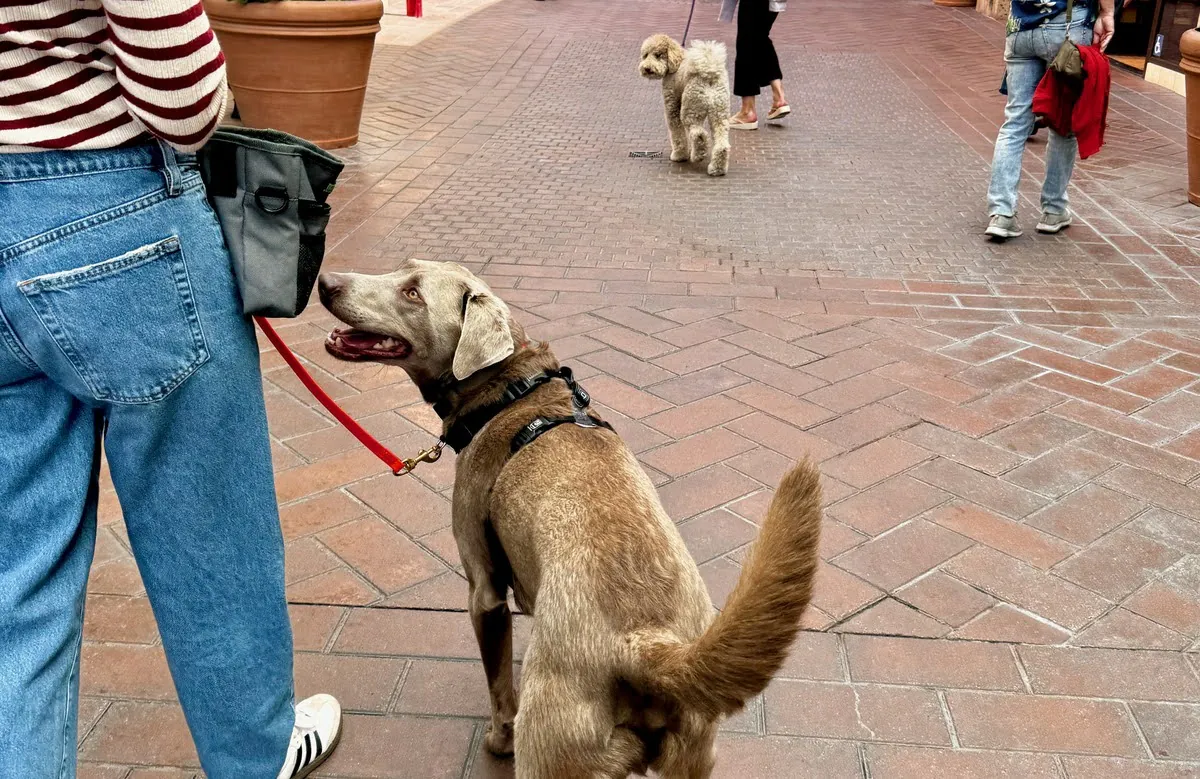
Causes of Dog Reactivity
Dog reactivity can be a head-scratcher for many pet owners. Essentially, it’s when your dog seems to overreact to certain things, like barking or lunging at other dogs, people, or even cars. There are several reasons why dogs become reactive:
- Fear or Nervousness: Sometimes, dogs react because they’re scared. They might see something as a threat and want to keep it away.
- Excitement: Other times, dogs are just too excited. They might want to greet another dog so badly that they can’t contain themselves.
- Protection or Prey Drive: In some cases, dogs have a natural instinct to guard or protect, which can come off as aggression.
Understanding these causes can help in addressing dog reactivity effectively. For the less obvious drivers, such as pain or trigger stacking, see Hidden Causes of Dog Behavior Problems.
Signs of a Reactive Dog
Recognizing a reactive dog isn’t always straightforward. Here are some signs to watch out for:
- Barking or Growling: This is the most obvious sign. If your dog barks excessively at certain things, it’s a red flag.
- Lunging or Pulling on the Leash: If your dog tries to charge at something or someone, it may indicate reactivity. This may also be an attempt to get distance from something.
- Tense Body Language: Notice if your dog becomes stiff, with ears perked and eyes focused on the trigger or is vigilant and scanning the environment.
- By identifying these signs early, you can work on managing the behavior before it escalates.
Difference Between Reactivity and Aggression
It’s easy to confuse reactivity with aggression, but they’re not quite the same. Reactivity is often a response to a specific trigger and can be due to fear, excitement, or frustration. Aggression, on the other hand, is more about intent to harm. A dog can be reactive without being aggressive. For instance, a dog might bark and lunge at another dog because it’s excited and frustrated on leash, and yet be friendly and social when they meet.
Understanding this difference is crucial in determining the right approach to training and whether professional help, like OC Canine Coaching, is needed.
Effective Training Techniques for Reactive Dogs
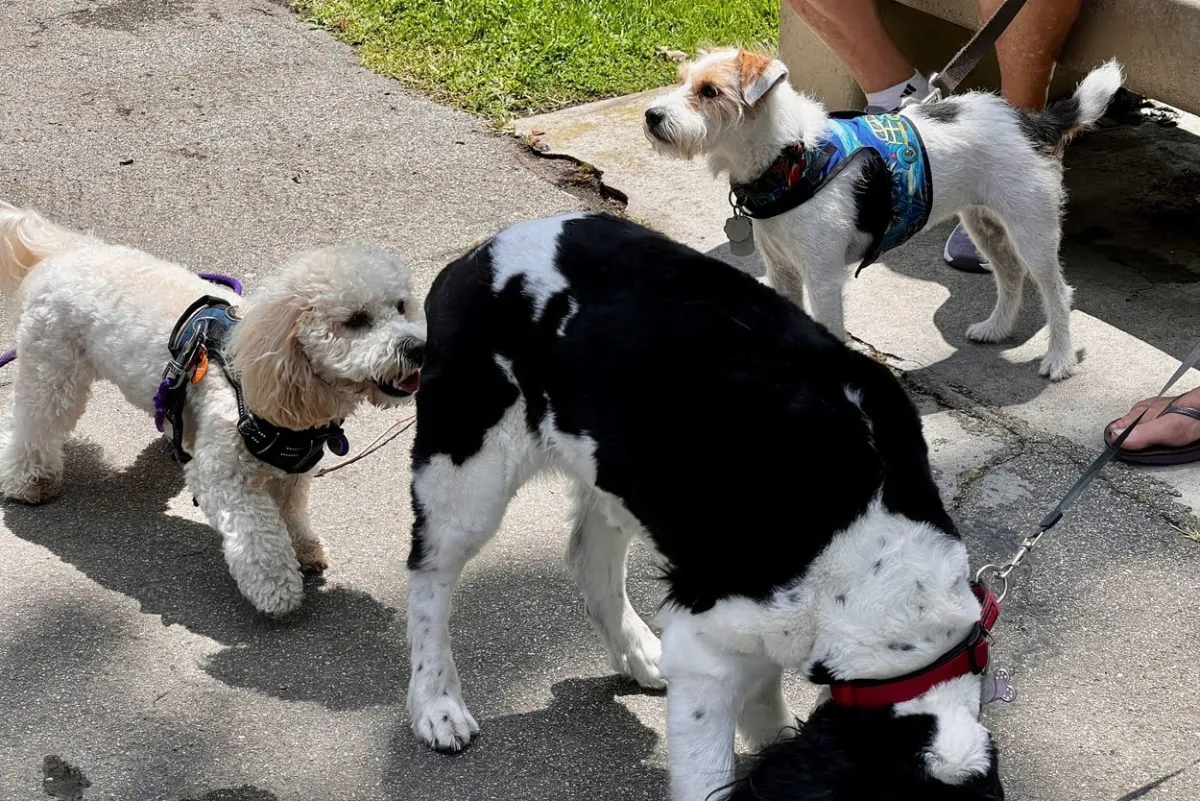
Positive Reinforcement Strategies
When it comes to training reactive dogs, positive reinforcement is a game-changer. This approach focuses on rewarding good behavior rather than punishing bad behavior. Using treats, toys, or praise can make a world of difference in how your dog responds to triggers. High-value treats are especially effective because they can capture your dog’s attention even in stressful situations. Here’s a simple approach:
- Always carry a mix of high-value and regular treats during walks.
- Make sure to keep a good distance between your dog and the dog/person/trigger.
- Reward your dog heavily as soon as they see the trigger. Don’t wait for a reaction.
- Gradually increase the exposure to triggers while maintaining a positive reward system.
- If your dog is lunging, barking or won’t receive food, you are too close.
- For best results use a longer leash (10 foot), remove any corrective tools such as prong collars, ecollars, etc., and don’t make it too hard for your dog by demanding they sit.
This method not only helps in managing reactivity but also strengthens the bond between you and your dog. For more on this approach, consider checking out Bryndon Golya’s approach, which emphasizes positive reinforcement techniques.
Desensitization and Counterconditioning
Desensitization and counterconditioning are key strategies in managing dog reactivity. Desensitization involves exposing your dog to a trigger at a low intensity and gradually increasing it, while counterconditioning is about changing your dog’s emotional response to that trigger. Here’s how you can start:
- Identify your dog’s triggers and keep a safe distance initially.
- Use positive reinforcement to reward your dog when they remain calm.
- Gradually decrease the distance to the trigger, maintaining a calm and rewarding atmosphere.
This process takes time and patience, but it can significantly reduce your dog’s reactivity. For more detailed strategies, you might find the techniques discussed in effective reactive dog training useful. There you will find info about the causes and solutions for reactive dogs.
Importance of Consistency in Training
Consistency is the backbone of any successful training program. Inconsistent training can confuse your dog and hinder progress. Here are some tips to ensure consistency:
- Stick to a regular training schedule.
- Use the same commands and rewards to avoid confusion. Don’t leave rewards at home.
- Ensure all family members are on the same page with training techniques.
By maintaining a consistent approach, your dog will learn to trust and respond better to training. Remember, the journey to a well-behaved dog is a marathon, not a sprint. More insights on maintaining consistency can be found in Dog reactivity management, which covers the importance of routine and predictability in training.
Common Mistakes in Training Reactive Dogs
Training a reactive dog isn’t always straightforward, and it’s easy to make mistakes along the way. You should expect an ebb and flow of behavior and not a linear fashion. Here are some typical errors to avoid:
Misinterpreting Dog’s Signals
One of the biggest mistakes is not understanding what your dog is trying to tell you. Dogs communicate through body language, and missing these cues can lead to misunderstandings. Look out for signs like a tucked tail, cowering, a lowered head, stiff body or weight shifted backwards. These indicate the reason for your dog’s reactivity is fear based. Additionally, a closed mouth and furrowed brow may indicate the same thing.
Ignoring these signs can exacerbate reactivity. Instead, try to learn what your dog’s signals mean and respond appropriately. Pushing your dog to get over it without appreciating their sensitivities is called flooding. This will very likely make things worse.
Inconsistent Training Methods
Consistency is key when training any dog, but especially a reactive one. If your training methods are inconsistent, your dog won’t know what’s expected of them. Stick to a routine and make sure everyone in the household is on the same page.
This includes using the same commands and rewards. Inconsistency can confuse your dog and make them more reactive. Anxiety can also be a component of reactivity in dogs and predictability is the cure for anxiety.
Overexposure to Triggers
Exposing your dog to too many triggers too quickly can overwhelm them. This is especially true for reactive dogs who are already sensitive to certain stimuli. It’s important to gradually introduce your dog to their triggers in a controlled manner.
Pro Tip for walking reactive dogs
It is advised by training professionals to limit your dogs walks or stop them all together if they are practicing reactive behaviors like lunging, growling, barking throughout the walk. Remember, what your dog practices, they get better at, just like any other behavior.
Pro Tip for Reactive Dogs at home:
Just like dogs who are reactive on leash, dogs who practice territorial barking from inside the home through windows and doors are practicing being reactive. This needs to be minimized as well. Allowing your dog to practice barking out of a window without any guidance teaches them that barking drives away intruders. This is self reinforcing and they will learn to continue this on leash walks.
By avoiding these common mistakes, you can create a more effective training plan for your reactive dog, helping them become more calm and confident in various situations. For more insights on common dog training mistakes, understanding and addressing these errors can significantly improve your dog’s behavior.
Managing Reactive Behavior in Everyday Situations
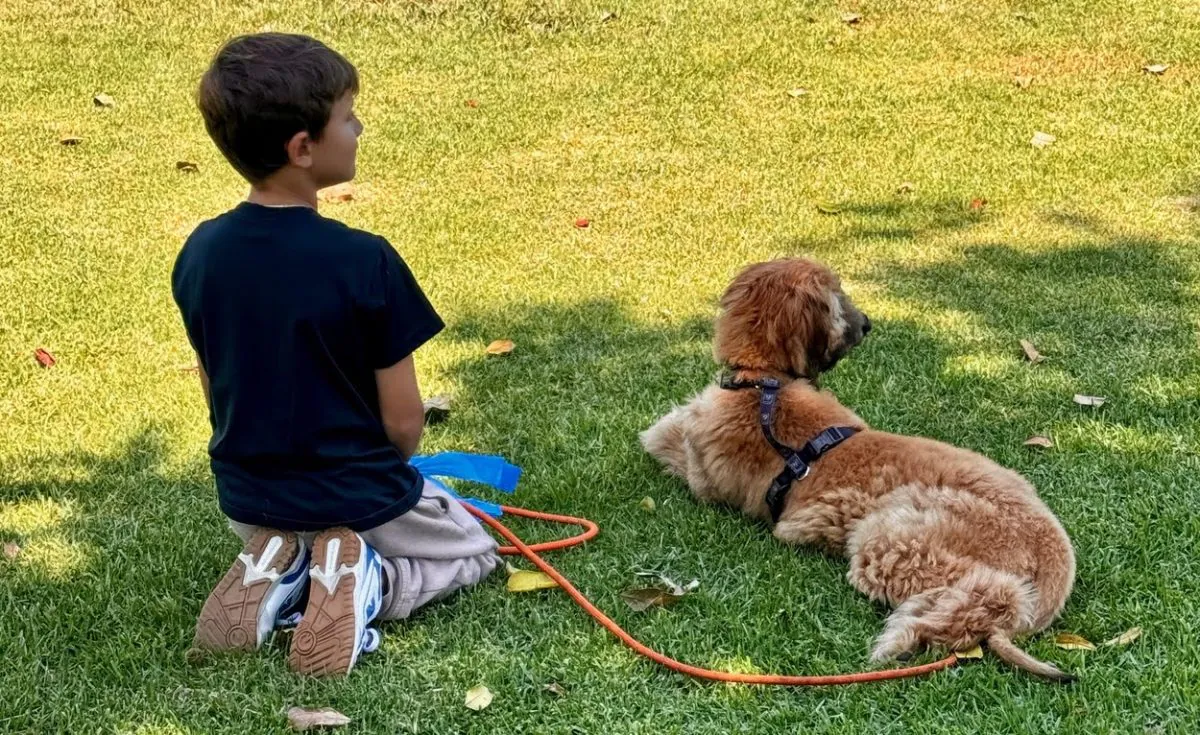
Creating a Safe Environment
When dealing with reactive dogs, creating a safe environment is key. A safe space helps reduce anxiety and prevents unwanted reactions. Here’s how you can do it:
- Avoid Stressful Situations: If you sense your dog is getting anxious, steer clear. This might mean crossing the street if another dog is coming or using barriers to block their view. If you are anxious, practice some breathwork and relax your shoulders.
- Choose the Right Time and Place for Walks: Opt for low-traffic areas or times when fewer people and dogs are around. This helps minimize triggers and keeps your dog calm.
- Familiarity is Comfort: Regular walks in the same area can help your dog feel secure. As they become familiar with the environment, their confidence grows. Make sure to go at your dog’s pace and allow them to investigate their environment as much as they need. Encouraging your dog to sniff the environment more will help keep them calm.
- Using Tools and Equipment Wisely
The right tools can make a big difference in managing your dog’s reactivity. Here are some tips:
- Leash Length Matters: A long lead can give your dog a sense of freedom, reducing the feeling of being trapped, which often leads to anxiety.
- Harnesses Over Collars: A harness can provide better control over your dog without putting pressure on their neck, making it a safer option. Anything that causes pain is likely to exacerbate the issue further.
- Calming Aids: Consider using calming collars or sprays that contain pheromones to help soothe your dog during stressful situations. CBD oil for dogs or a thundershirt can also help bring the temperature down.
When to Seek Professional Help
Sometimes, managing a reactive dog on your own isn’t enough. You might need to call in the pros:
- Persistent Reactivity: If your dog’s behavior doesn’t improve or worsens, it might be time to seek help from a professional trainer.
- Safety Concerns: If your dog poses a danger to themselves or others, don’t hesitate to get expert advice.
- Tailored Training Programs: Programs like those from OC Canine Coaching offer specialized training that can address specific issues like anxiety and aggression, ensuring a better-behaved dog.
Conclusion
Training a reactive dog can feel like a big task, but with the right approach, it’s totally doable. Remember, it’s all about patience and consistency. Avoid common pitfalls like rewarding unwanted behavior or expecting your dog to make all the right choices on their own. Instead, focus on positive reinforcement and creating a safe environment for your dog to learn and grow. And if you’re looking for some extra help, consider reaching out to a certified dog trainer or behavior consultant. They specialize in evidence based training that can make a world of difference. Stick with it, and you’ll likely see your furry friend become calmer and more confident over time.
Frequently Asked Questions
Why is my dog becoming more reactive?
Dogs can become more reactive due to fear, excitement, or even protective instincts. Changes in their environment or routine might also contribute to this behavior. Genetics and early life experiences also have a big role to play. Additionally, many dogs go through a reactive stage in early adolescence.
What are common mistakes in training reactive dogs?
Some common mistakes include punishing your reactive dog for having a hard time, letting them fixate on triggers like other dogs, and repeated exposure to triggers they can’t handle. Restricting your dog with a short leash or focusing too much on obedience like heeling will also set you back with a reactive dog.
How can I help my reactive dog improve?
Using positive reinforcement strategies to create better associations, being consistent with training, and slowly exposing them to triggers with a training plan that includes better management first. Be patient and don’t expect a quick fix. There are many valid reasons your dog is exhibiting reactive behavior on leash or in your home. Hire a credentialed dog trainer or behavior consultant to help you get a handle on it before it goes on too long.

With over a decade of experience in dog training and behavior modification, I’m dedicated to helping families create stronger bonds with their pets. I specialize in resolving challenging behavioral issues and guiding new puppy owners with confidence. At OC Canine Coaching, I blend science-based techniques with compassionate training to deliver lasting results. My work focuses on helping dog owners in Orange County raise calm, well-mannered companions through tailored coaching and ongoing support.